
DevOps Tools You Should Know in 2026
DevOps continues to evolve rapidly as cloud adoption, automation, and security become more critical for modern software delivery. In 2026, DevOps engineers are expected to manage scalable infrastructure, ship code faster, and ensure reliability—all while keeping costs and security under control.
In this article, we'll explore the most important DevOps tools you should know in 2026, grouped by category, and explain when and why to use them.
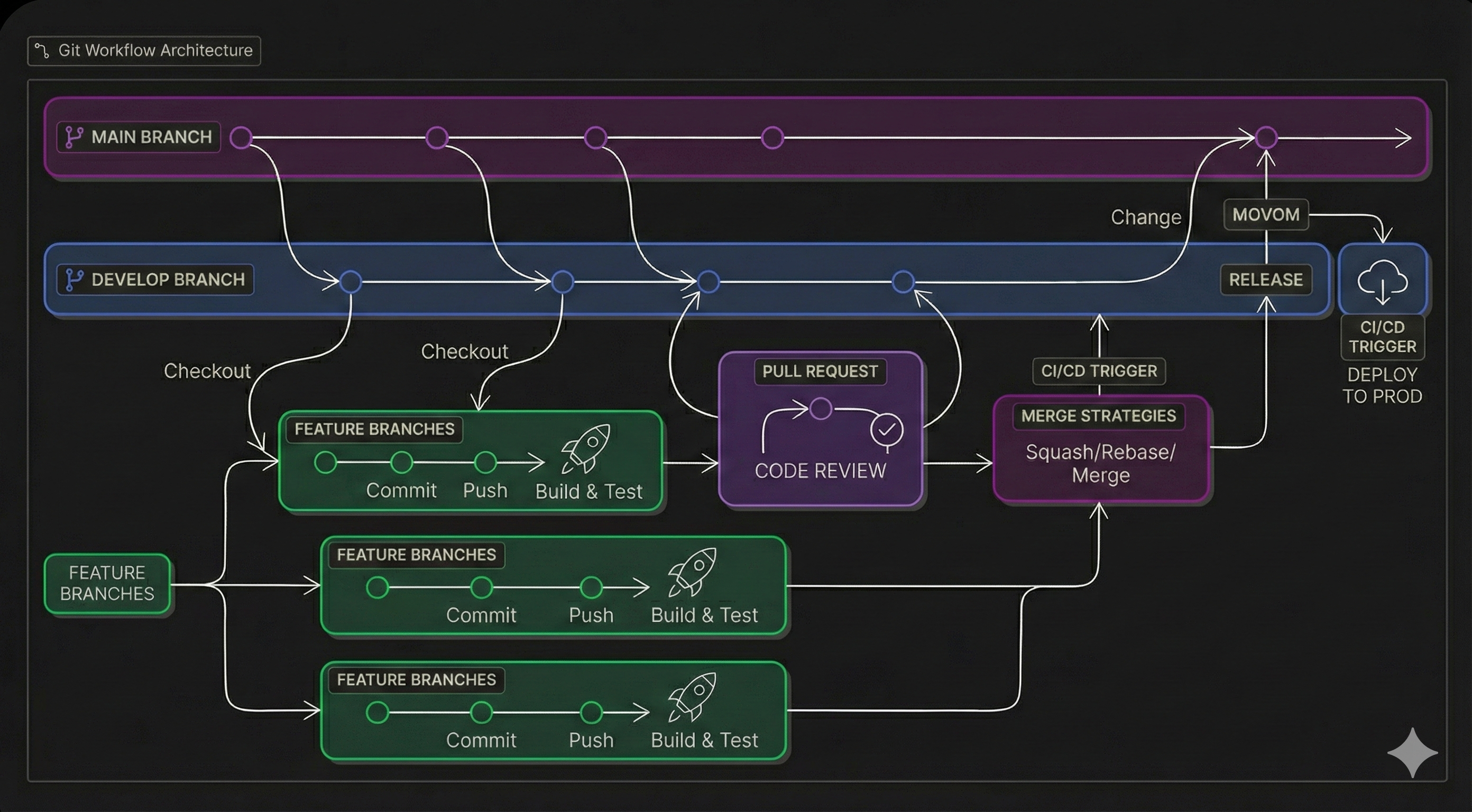
1. Version Control & Collaboration Tools
Git (GitHub / GitLab / Bitbucket)
Git remains the foundation of DevOps workflows.
Why it matters in 2026:
- Essential for CI/CD pipelines
- Enables team collaboration and code reviews
- Deep integration with automation tools
When to use:
- For all modern application development
- Managing infrastructure-as-code repositories
2. CI/CD (Continuous Integration & Deployment)
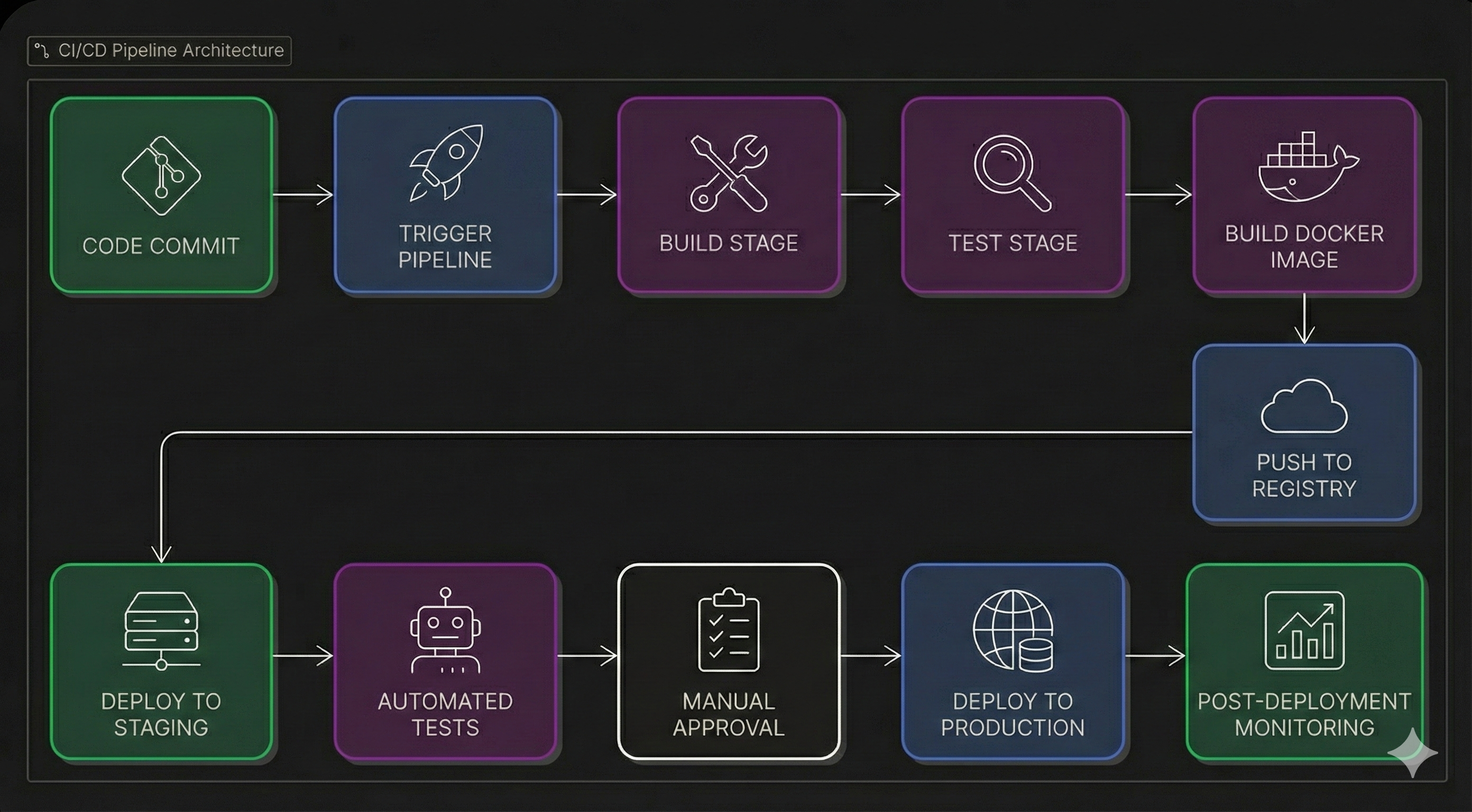
GitHub Actions
GitHub Actions has become one of the most popular CI/CD platforms due to its simplicity and tight GitHub integration.
Key benefits:
- Native GitHub integration
- Large marketplace of reusable actions
- Ideal for startups and small teams
GitLab CI/CD
GitLab offers a complete DevOps platform with built-in CI/CD.
Why teams use it:
- Single platform for code, pipelines, and deployments
- Strong security and compliance features
- Suitable for enterprise environments
Jenkins
Despite being older, Jenkins is still widely used.
Why Jenkins still matters:
- Highly customizable
- Huge plugin ecosystem
- Works well for complex legacy pipelines
3. Containerization & Orchestration
Docker
Docker is still the standard for containerizing applications.
Why Docker is essential:
- Consistent environments across development and production
- Lightweight and fast deployments
- Works seamlessly with Kubernetes
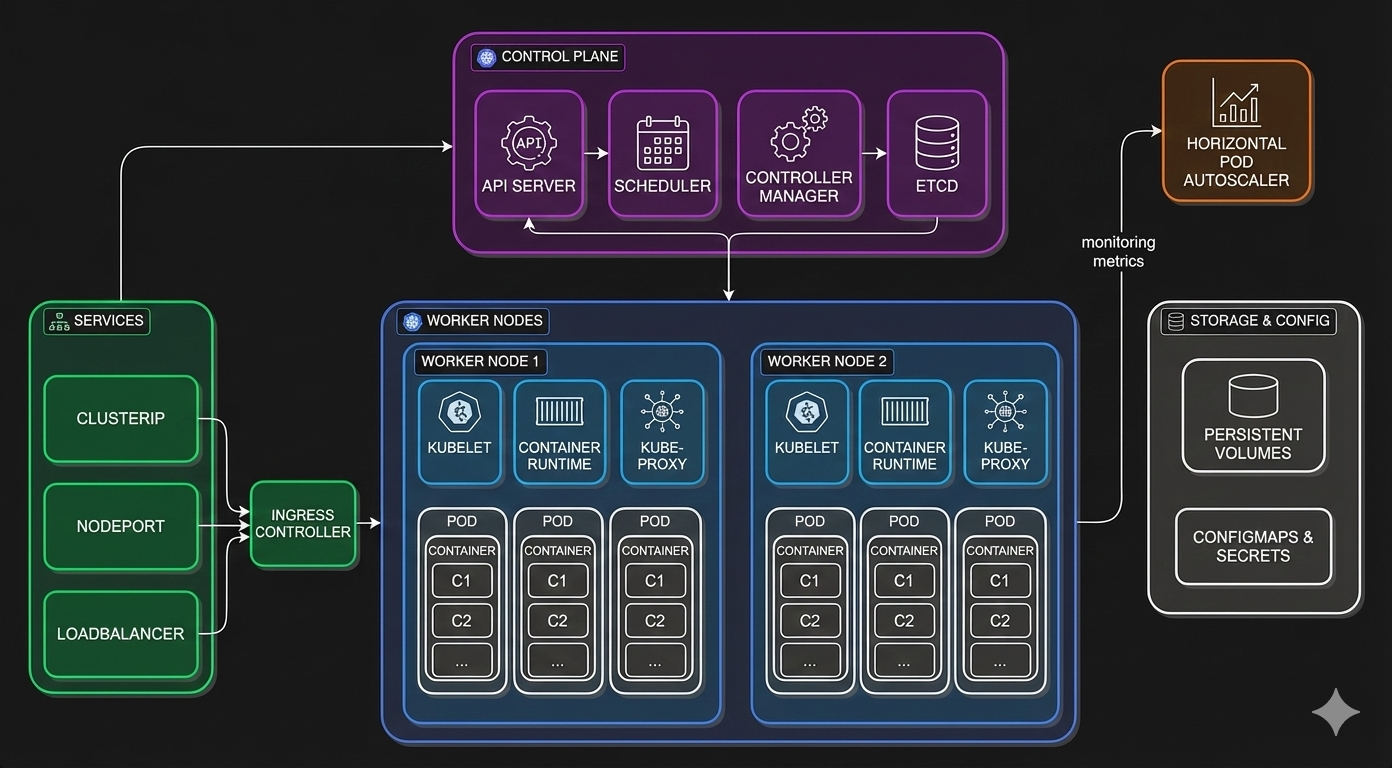
Kubernetes
Kubernetes continues to dominate container orchestration.
Why Kubernetes is critical in 2026:
- Industry standard for container orchestration
- Auto-scaling and self-healing applications
- Used by startups and enterprises alike
Common use cases:
- Microservices architectures
- High-availability production systems
4. Infrastructure as Code (IaC)
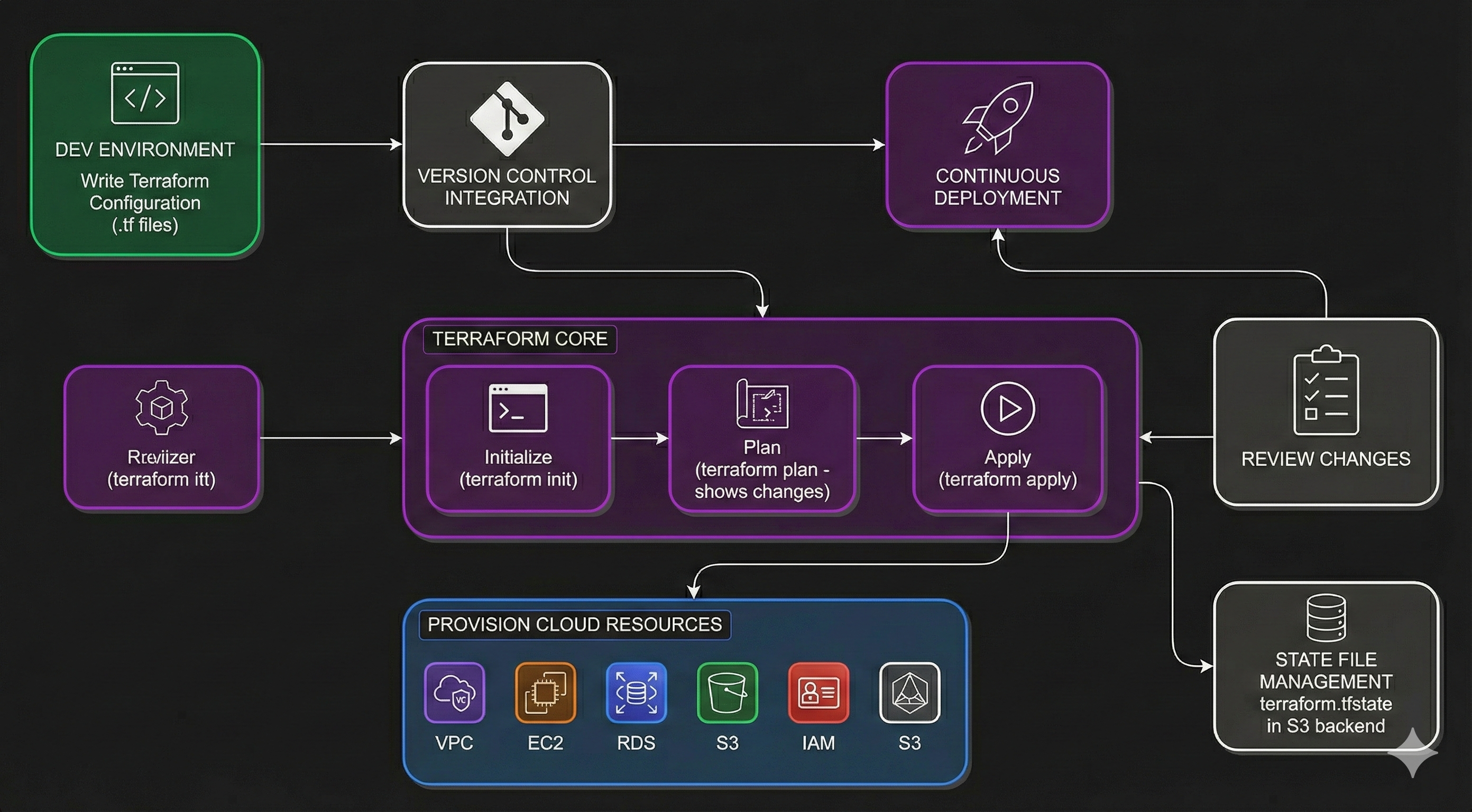
Terraform
Terraform remains the leading IaC tool.
Why Terraform is a must-know tool:
- Cloud-agnostic (AWS, Azure, GCP)
- Declarative infrastructure management
- Improves consistency and reduces human error
AWS CloudFormation
CloudFormation is still relevant for AWS-only environments.
Best for:
- Teams deeply invested in AWS
- Native AWS integrations
5. Configuration Management
Ansible
Ansible is widely used for configuration management and automation.
Why Ansible is popular:
- Agentless architecture
- Simple YAML syntax
- Ideal for server configuration and automation tasks
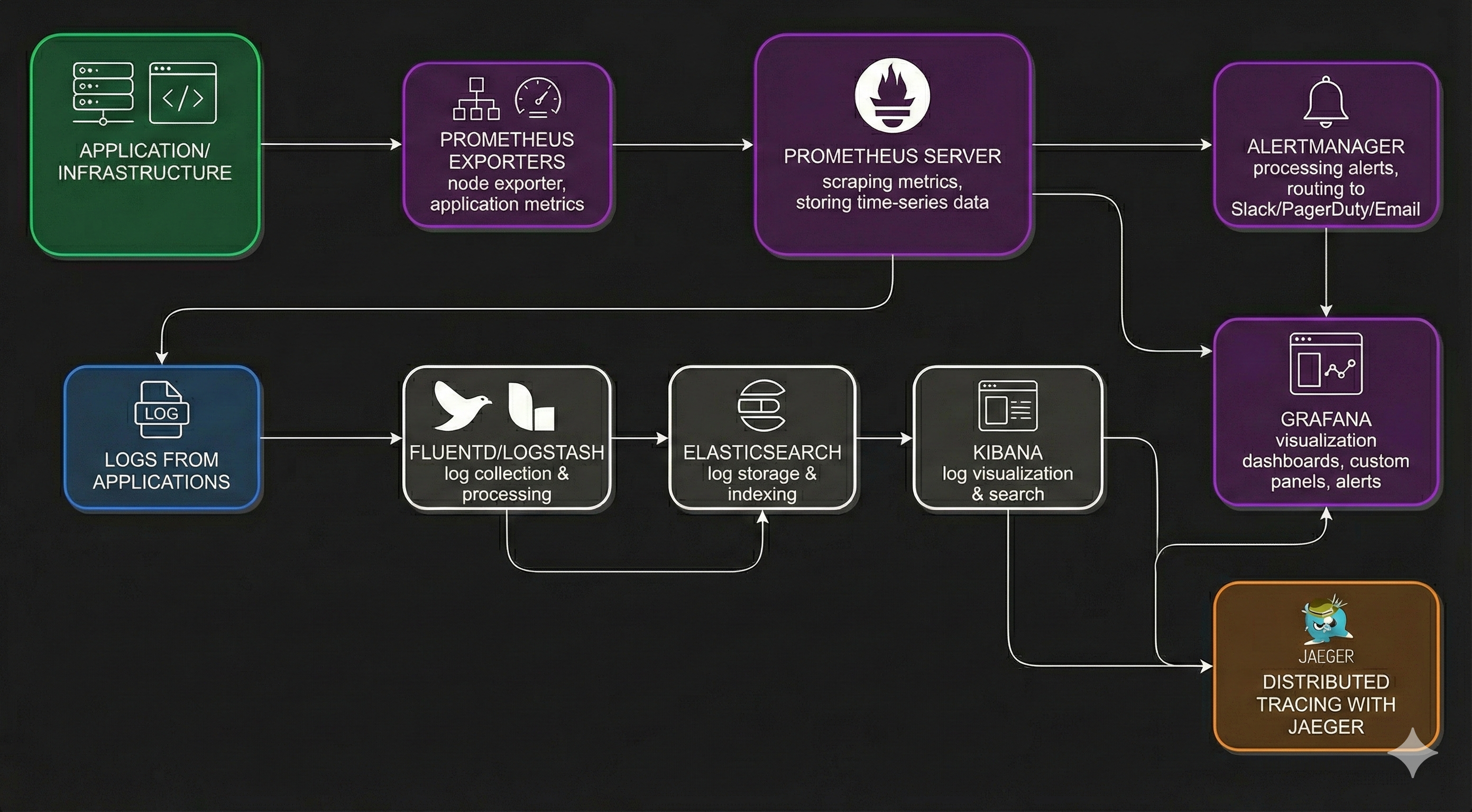
6. Monitoring & Observability
Prometheus
Prometheus is a core monitoring tool in Kubernetes environments.
Why Prometheus is important:
- Powerful metrics collection
- Strong Kubernetes integration
- Open-source and flexible
Grafana
Grafana is used for visualization and observability.
Key features:
- Custom dashboards
- Supports multiple data sources
- Widely adopted across DevOps teams
ELK Stack (Elasticsearch, Logstash, Kibana)
Still a popular choice for centralized logging.
Why teams use ELK:
- Powerful log search and analysis
- Helps in debugging and incident response
7. Security & DevSecOps Tools
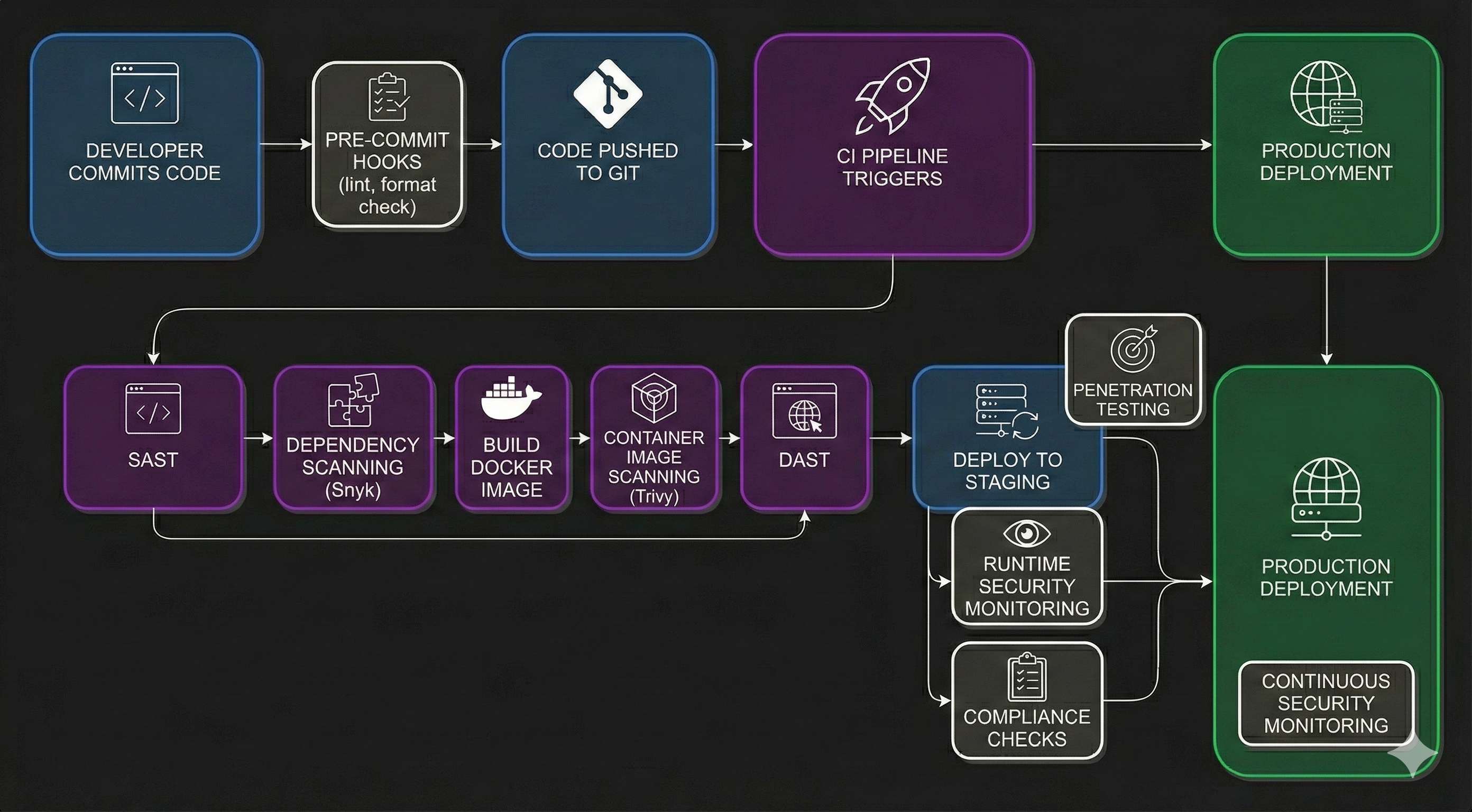
Trivy
Trivy is a lightweight vulnerability scanner.
What it scans:
- Container images
- File systems
- Kubernetes configurations
Snyk
Snyk helps identify vulnerabilities in application dependencies.
Why it matters:
- Shift-left security
- Early detection of security issues
- Integrates with CI/CD pipelines
8. Cloud Platforms
AWS
AWS remains the most widely used cloud platform.
Key AWS services DevOps engineers should know:
- EC2, ECS, EKS
- IAM
- CloudWatch (See our guide on Cost Optimization)
Azure & Google Cloud
Azure and GCP continue to grow, especially in enterprise and data-driven workloads.
9. Automation & Workflow Tools
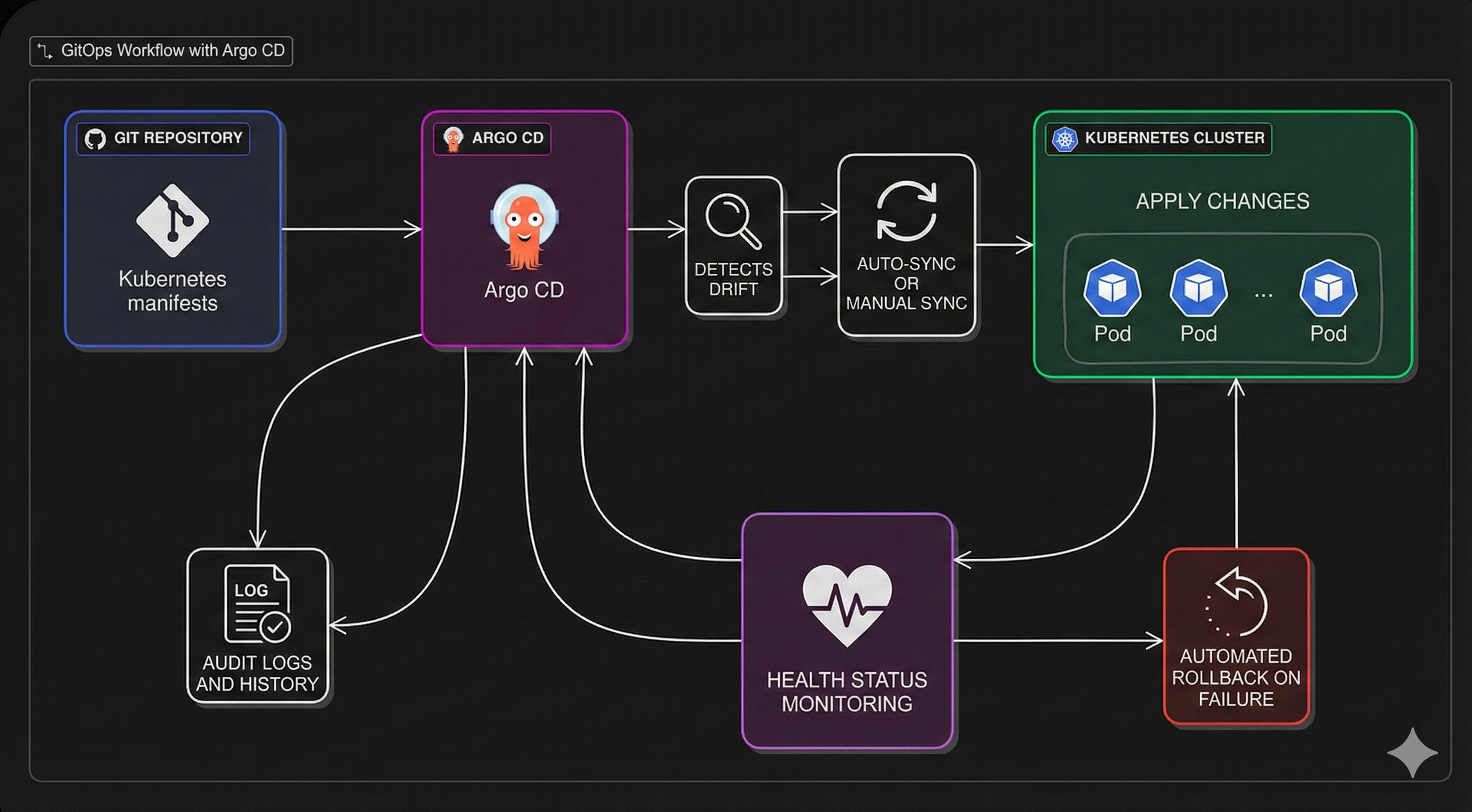
Argo CD
Argo CD is a leading GitOps tool for Kubernetes.
Why GitOps matters:
- Declarative deployments
- Improved rollback and auditability
- Better control over Kubernetes clusters
10. AI & DevOps (Emerging Trend)
AI-Assisted DevOps Tools
In 2026, AI is increasingly used for:
- Log analysis
- Incident prediction
- Automated remediation
Examples include AI-powered monitoring and troubleshooting tools that reduce manual effort and downtime.
Final Thoughts
DevOps in 2026 is about automation, reliability, security, and scalability. While tools will continue to evolve, mastering the fundamentals—CI/CD, containers, Kubernetes, infrastructure as code, and monitoring—remains essential. For a deeper dive into the core principles, read What DevOps Really Is.
Choosing the right tools depends on:
- Team size
- Project complexity
- Cloud provider
- Security requirements
Need Help with DevOps?
If you're looking to:
- Set up CI/CD pipelines
- Deploy Kubernetes clusters
- Improve monitoring and reliability
👉 Get expert DevOps support.
Contact Devopsby.me using the button below or check out our services.